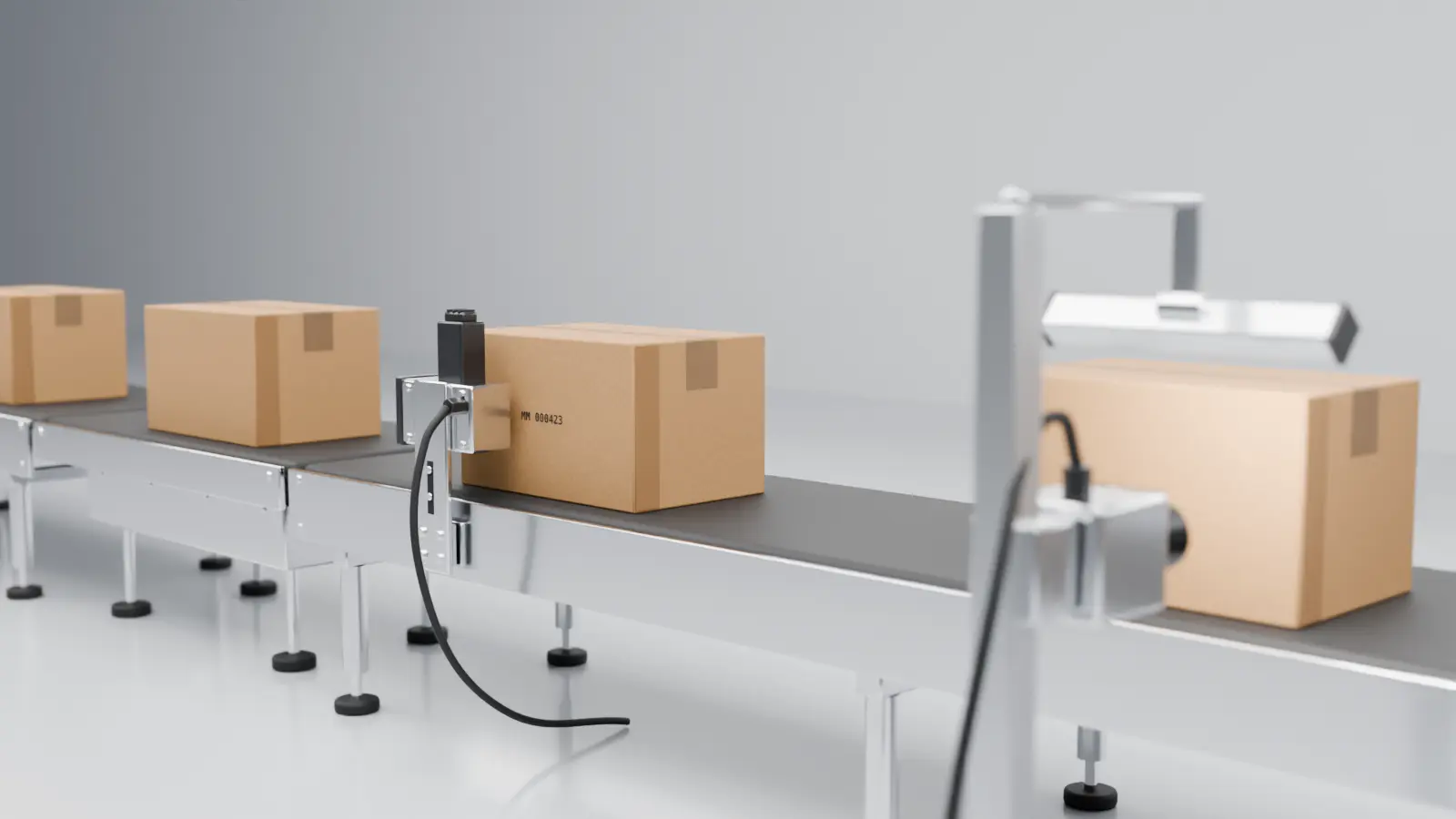
01LockStep Systems
Independent devices. Moving as one.
We build software that makes equipment from different makers work as one dependable system. Each device keeps its own timing. Our software keeps every item, record and decision in step, through faults, rejects and restarts.
Illustrative line. Synthetic records.
02What we do
From many devices to one system.
Follow equipment from different makers as our software brings it into step. Each device keeps its own timing; the system keeps every item, record and decision together.
-
01 / Independent
Every device keeps its own clock.
Coders, scales, cameras, scanners, lights, locks and sensors come from different makers. Each one works to its own timing, its own protocol and its own idea of what just happened.
-
02 / The gaps
The hard part is between the machines.
A printer, a scale and a camera can each work perfectly and still put the wrong data on the wrong item. Most failures happen in the handoffs: a missed scan, a late message, a unit lifted off the line. That is where we work.
-
03 / Connect
Connect.
We use each device’s own documented interface and the features it already has. No custom firmware.
-
04 / Coordinate
Coordinate.
One local service owns every device link and the state of each item. Each device still acts at its own moment. Closing a screen or losing the network never stops the line’s records.
-
05 / Prove
Prove.
Every item gets a record of what was intended, what each device reported, and what happened next. An acknowledged command is not counted as a physical outcome.
-
06 / One system
Moving as one.
Independent devices, in step. The same idea runs both of our product lines: Matchmark on packaging lines, and a home and office system in development. See the products.
Illustrative scene with generic equipment and synthetic records.
Products
Two product lines built on the same idea: devices from different makers, behaving as one system.
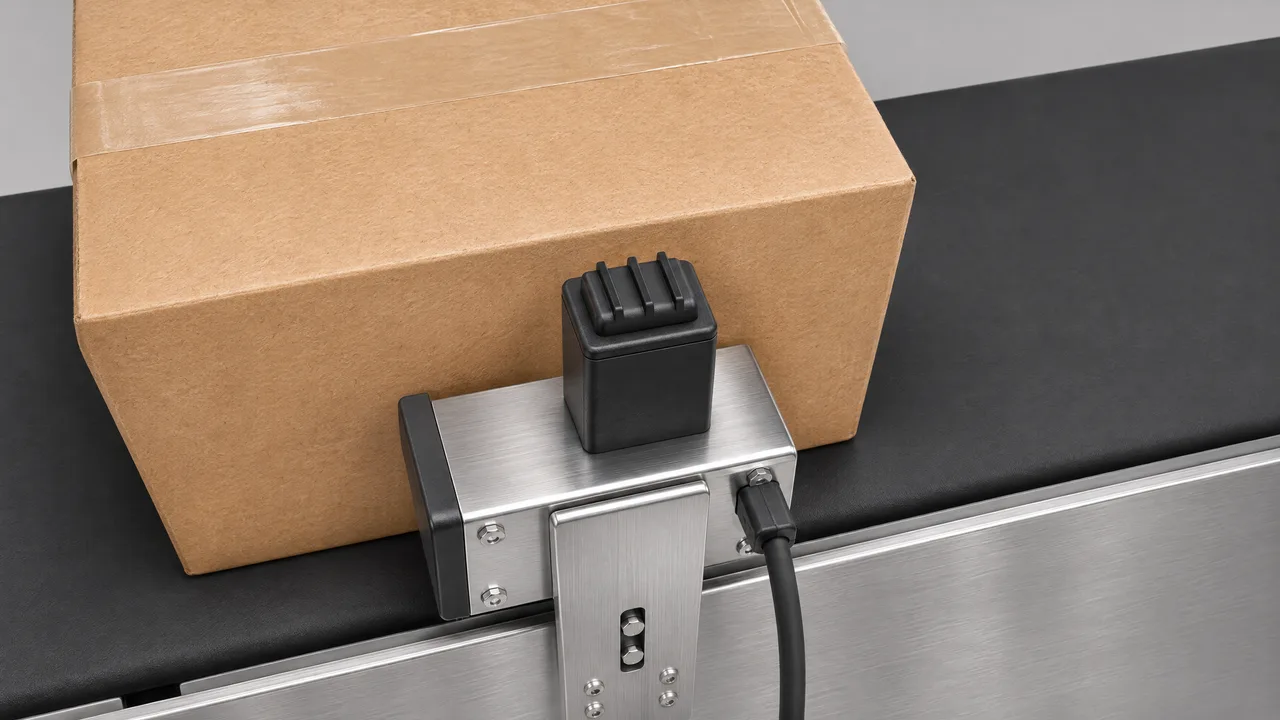
Matchmark
Line-side coding and verification
It composes each pack’s code, sends it to the coder, records the vision system’s result, and keeps one record per pack, including duplicates and expected packs with no recorded read.
Home and Office
One system for smart devices from many brands, so lights, climate, access and sensors work together under one dependable control.
Coming later
How a Project Runs
We confirm the equipment before we promise anything. Documented behaviour is not observed behaviour, and a simulation is not a test.
Scope and Identify
Your process, your exact equipment models and firmware, and who owns what: software, machine controls, installation.
Bench and Site Tests
Short, read-only sessions on your equipment, with your engineer. We record real device traffic and test against it.
Install and Accept
Screens agreed with your team before release. Factory and site acceptance tests, a trial run, then sign-off.
Hypercare, Then Care
Close support right after go-live, then a maintenance agreement with clear response times.
03Contact
Running equipment that has to agree with itself?
- hello@lockstepsystems.coThis address is not active yet.
- Based in
- Philippines
- Walkthrough
- Ask for a screen-shared walkthrough of Matchmark.